Mesopotamia:
Where History Began
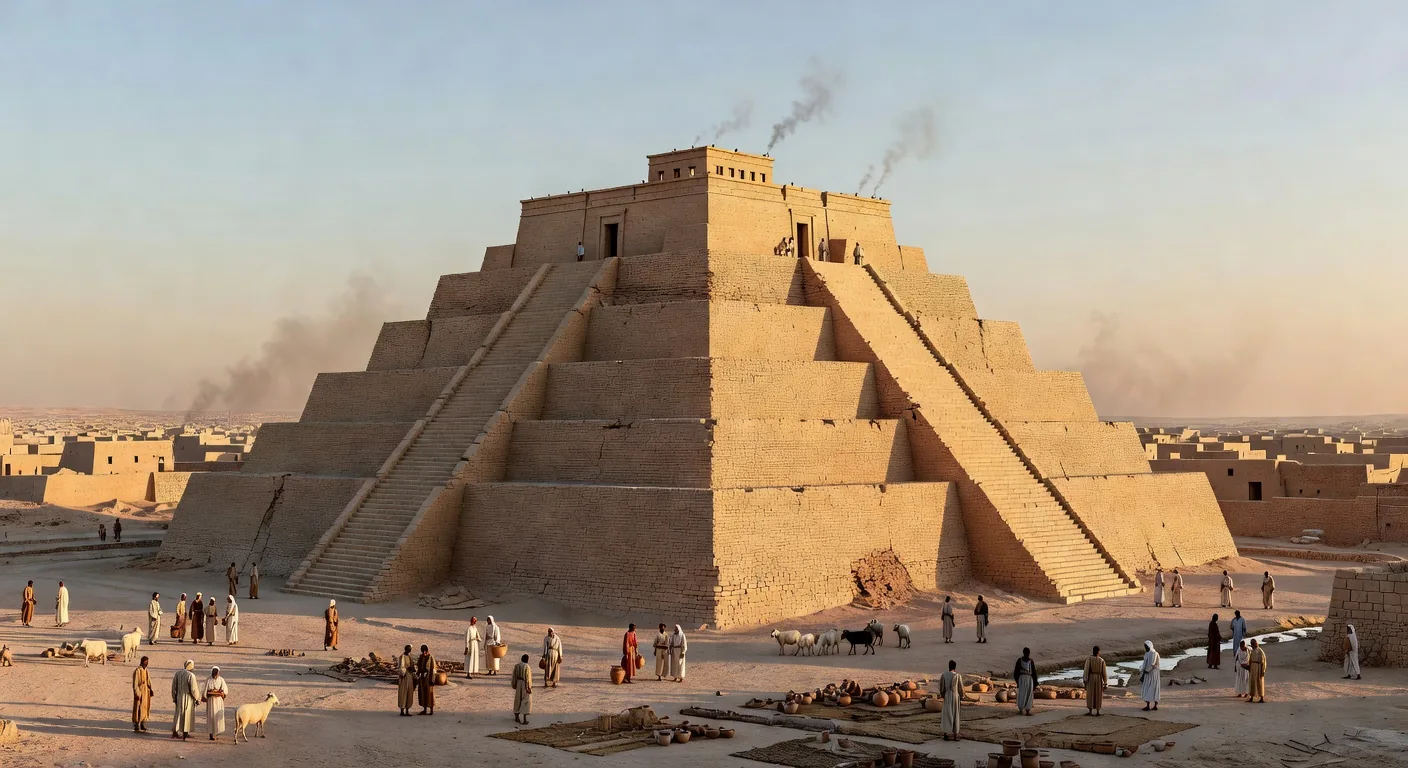
Between the Tigris and Euphrates rivers in modern Iraq, the world's first cities appeared around 3500 BCE. Uruk, with a population of perhaps 50,000, was the world's first true metropolis. Its people invented writing, the wheel, and monumental religious architecture — the ziggurat — all within a few centuries.
The Sumerian, Akkadian, Babylonian, and Assyrian empires each rose to dominate the region before eventually falling to the next great power. The Great Ziggurat of Ur, built by Ur-Nammu around 2100 BCE, remains the best-preserved example of Mesopotamian religious architecture.
"In the beginning was Eridu. Before the flood, five cities had been built, and the kingship had come down from heaven."
— Sumerian King List, c. 2100 BCE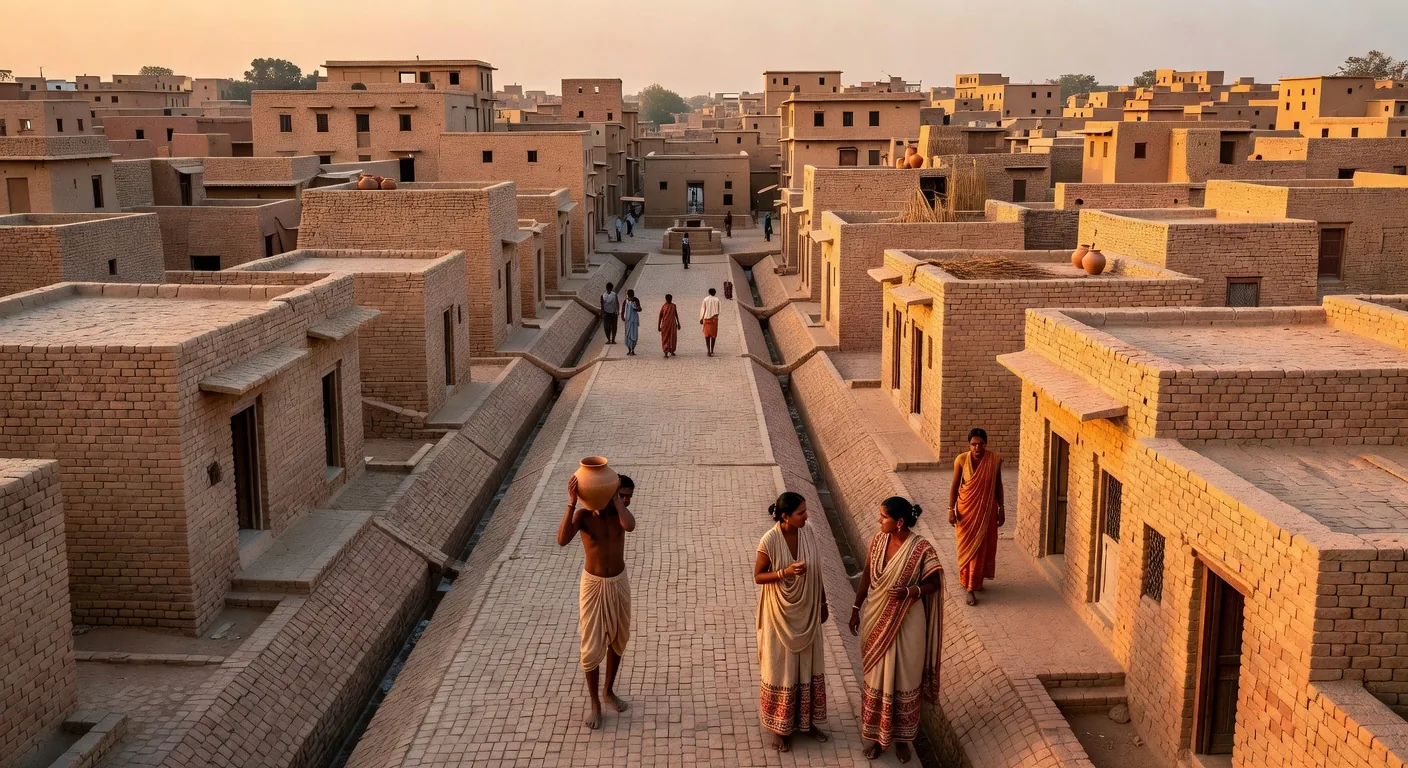
The Indus Valley:
Civilisation Without Conquest
At its height around 2600–1900 BCE, the Indus Valley Civilisation was the largest of the ancient world's four great river civilisations, stretching across 1.25 million km² — larger than Mesopotamia and Egypt combined. Its two great cities, Mohenjo-daro and Harappa, were astonishing achievements of urban planning: grid streets, standardised bricks, sophisticated drainage systems, and public baths that wouldn't be equalled for millennia.
Remarkably, unlike their contemporaries, the Indus people left no evidence of temples, palaces, or standing armies — no monumental glorification of rulers or gods. Their civilisation remains deeply enigmatic: their script has never been deciphered.
Explore Related SitesA Timeline of the Ancient World
Rise of Sumer — The World's First Cities
Uruk, Eridu, and Ur emerge in southern Mesopotamia. Writing (cuneiform) is invented to record grain accounts. The world enters recorded history.
Unification of Egypt — The Old Kingdom
Upper and Lower Egypt unify under Narmer. The pharaonic system begins its extraordinary 3,000-year run. The step pyramid at Saqqara follows within 600 years.
Indus Valley Civilisation at Its Height
Mohenjo-daro and Harappa reach populations of 40,000+. Trade connects the Indus with Mesopotamia and the Persian Gulf.
The Bronze Age Mediterranean World
Mycenaean Greece, Minoan Crete, the Hittite Empire, and Egypt form a connected palace-economy world. The Uluburun shipwreck preserves its extraordinary trade goods.
The Archaic Greek World — Rise of the Polis
7-4-10 Higashi-Shirikeicho
Nagata Ward, Kobe City, Hyogo 653-0022, Japan
Cyrus the Great — The Achaemenid Empire
The world's first truly global empire stretches from the Aegean to the Indus. Cyrus issues history's first human rights declaration on the Cyrus Cylinder.