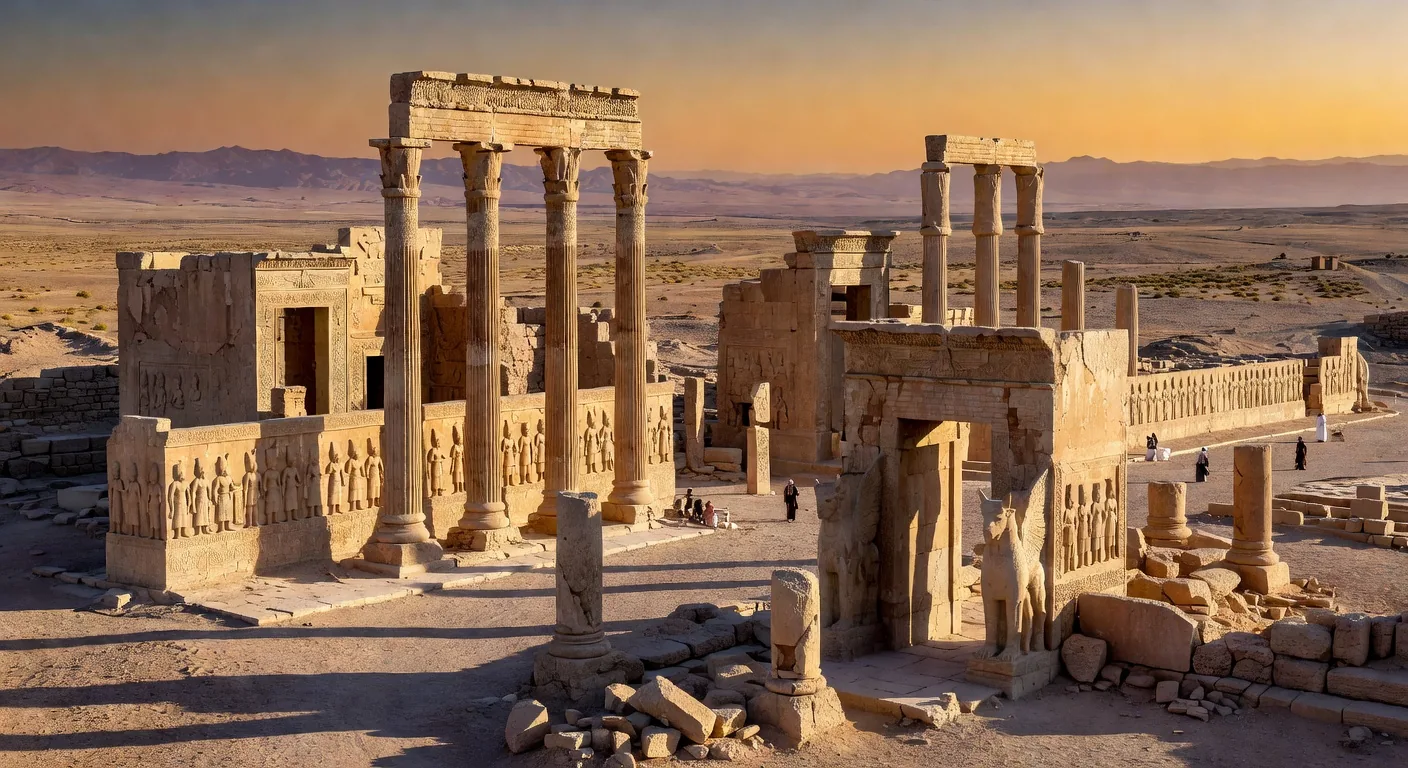
Persepolis
Heart of the Achaemenid Empire
Rising from the plain of Marvdasht in modern Iran, Persepolis was the ceremonial capital of the greatest empire the ancient world had yet seen. Founded by Darius I around 518 BCE, its vast terrace of carved stone reliefs, towering column halls, and monumental gateways convey imperial power with extraordinary refinement. Alexander's burning of the palace in 330 BCE remains one of antiquity's most debated acts.
Plan Your VisitDiscover the Ancient World's
Greatest Places
 UNESCO
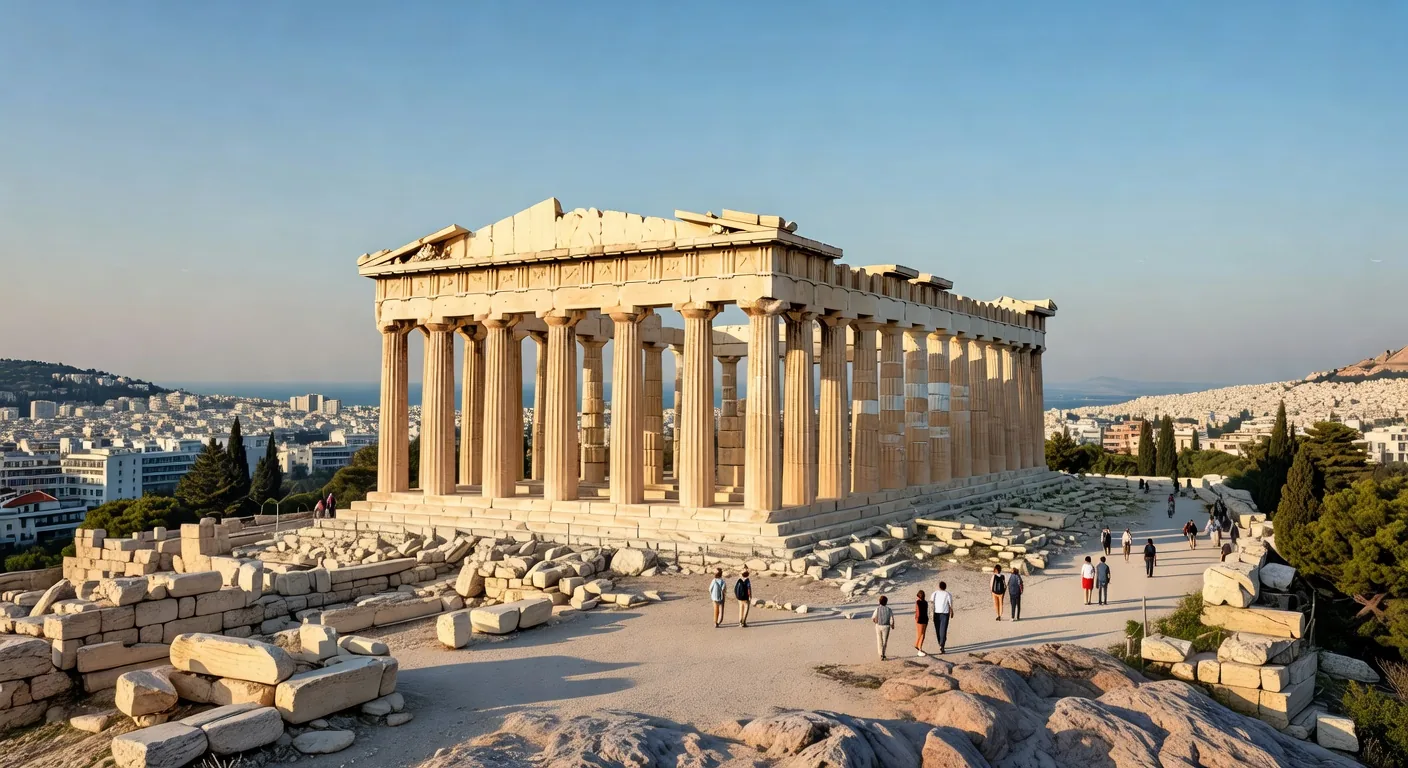
The Acropolis, Athens
The Parthenon, Erechtheion, and Propylaea crown the limestone rock above Athens — the supreme achievement of Classical Greek architecture and still breathtaking after 2,500 years.
UNESCO
Persepolis
The ceremonial capital of the Achaemenid Empire preserves some of antiquity's finest stone carving, showing tribute-bearers from across the ancient world arriving before the king.
Karnak Temple Complex
The largest ancient religious site ever built, Karnak's hypostyle hall of 134 soaring columns remains one of the most overwhelming architectural experiences on earth.
Petra, the Rose City
Cut from rose-red sandstone cliffs by the Nabataeans, Petra was the great caravan city of the ancient spice trade and remains one of the world's most spectacular archaeological sites.
Pompeii
Frozen in volcanic ash in 79 CE, Pompeii offers the most complete picture of daily life in a Roman city ever discovered — streets, houses, taverns, and all their inhabitants.
Angkor Wat
The largest religious monument ever built, Angkor Wat's moat, galleries of bas-reliefs, and five towers rising from the Cambodian jungle represent the pinnacle of Khmer civilisation.